




Introduction to Hibachi Chicken
Why is Hibachi Chicken a Home-Cooked Favorite?
If you’re anything like me, you love the thrill of a good hibachi restaurant experience—those sizzling grills, the theatrical chefs, and the tantalizing aroma wafting through the air. But when it comes to hibachi chicken, bringing that joy into your kitchen is not only doable; it’s also a wonderfully fulfilling way to create a delicious meal at home.
One of the biggest reasons hibachi chicken shines in home cooking is its versatility. You can marinate the chicken in a variety of sauces, choose your favorite vegetables, and even cook it on the stovetop or grill. The result? A dish that’s uniquely yours yet carries the nostalgic flavors of a hibachi meal. According to a survey by the National Chicken Council, chicken is among the top protein choices for home cooks, thanks to its affordability and ease of preparation.
Moreover, hibachi chicken embraces the concept of meal prep beautifully. You can easily cook larger batches, allowing for delightful leftovers that can be transformed into wraps, salads, or even stir-frys throughout the week. A quick tip: try using extra chicken to prep a cold salad with fresh veggies and a tangy dressing for lunch the next day; it’s a time-saver!
Cooking hibachi chicken at home doesn’t just save money; it can also be a great way to connect with family and friends. Imagine gathering in your kitchen, taking on roles as sous chefs, or even putting on your own hibachi show right in your living room! This social aspect makes the cooking process enjoyable and engaging. For a deeper dive into the communal joy of cooking, you could check out articles on Family Cooking Experiences.
Lastly, this dish is not just about flavor; it’s about health as well. Lean chicken coupled with vibrant vegetables gives a nutritional punch while keeping the taste buds dancing. So, whether you’re whipping up a weekday dinner or impressing guests on the weekend, hibachi chicken is a surefire hit that ticks all the boxes, combining flavor, health, and connection.
Ingredients for Hibachi Chicken
Creating the perfect hibachi chicken dish requires a blend of fresh ingredients that pack flavor and texture. Let’s dive into the essentials!
Key Ingredients for Chicken
To achieve tender and juicy hibachi chicken, you’ll need the following:
- Chicken breast: Boneless, skinless for ease of cooking.
- Sesame oil: Adds depth and a nutty flavor.
- Soy sauce: The star for that umami hit.
- Garlic and ginger: Freshly minced for a fragrant base.
These ingredients are key for marinating the chicken, ensuring every bite is bursting with flavor. For expert tips on chicken preparation, you might find this guide handy.
Essential Ingredients for Fried Rice
A great hibachi chicken experience isn’t complete without fried rice, so gather:
- Cooked rice: Day-old works best for texture.
- Vegetable oil: For high-heat frying.
- Eggs: A couple, scrambled in the mix.
- Green onions and peas: Fresh ingredients for color and taste.
Must-Have Ingredients for Hibachi Vegetables
Complement your dish with colorful vegetables:
- Zucchini and carrots: Sliced thin for even cooking.
- Mushrooms: A personal favorite for that extra umami punch.
- Onions: Sautéed until translucent.
These ingredients not only enhance the flavor but also provide a vibrant plate that is sure to impress your friends. Enjoy exploring these components, and happy cooking!
Step-by-Step Preparation of Hibachi Chicken
Creating hibachi chicken at home is a delightful experience that combines delicious flavors with a fun cooking process. Let’s dive into each step, ensuring your dish turns out just like at your favorite hibachi restaurant!
Preparing the Ingredients
First things first: gathering the right ingredients is crucial for achieving that iconic hibachi flavor. Here’s what you’ll need:
- Chicken Breast (1 lb): Cut into bite-sized pieces for even cooking.
- Soy Sauce (1/4 cup): A must for that rich umami flavor.
- Garlic Butter (1-2 tbsp): For a savory, buttery finish.
- Vegetable Oil (for cooking).
- Seasonings: Salt and pepper to taste.
- Garnish: Green onions and sesame seeds for presentation.
Don’t forget to wash your hands and your chopping board! Haven’t you heard? Cleanliness in the kitchen is as important as flavor. For tips on kitchen hygiene, you can check out resources from the USDA.
Cooking the Hibachi Chicken
Now that you’ve prepped your ingredients, it’s time for the main event.
-
Heat a Large Pan or Griddle: Preheat it over medium-high heat and add a tablespoon of vegetable oil.
-
Cook the Chicken: Once your pan is hot, toss in the chicken pieces. Let them sear without stirring for a couple of minutes to develop a nice crust.
-
Add Flavor: After about 3-4 minutes, flip the chicken and add soy sauce and garlic butter. This combination not only provides flavor but adds a bit of moisture to prevent the chicken from drying out.
-
Finish Cooking: Continue to sauté until the chicken is fully cooked (internal temperature should reach 165°F), usually about 8-10 minutes in total.
Feel free to experiment with spices! Adding ginger or a sprinkle of sesame oil can elevate your dish further.
Making the Fried Rice
What’s hibachi without some savory fried rice on the side? It’s easier than you think:
-
Cook Your Rice: Ideally, use day-old rice, as it’s drier and better for frying. If you don’t have it, make freshly cooked rice and let it cool.
-
Sauté Onions: In the same pan, add a bit more oil and sauté diced onions until they’re translucent.
-
Add the Rice: Toss in your rice and break up any clumps. Stir well to mix with the onions.
-
Season: Drizzle some soy sauce while continuing to stir. You can also add a dash of chicken broth for more depth.
-
Eggs & Vegetables: Scramble a couple of eggs in a separate corner of the pan and mix into the rice. Add any frozen mixed vegetables or peas you’d like for added color and nutrition.
Stir-Frying the Hibachi Vegetables
Let’s not forget about those vibrant vegetables! Here’s an easy way to get them just right:
-
Choose Your Favorites: Bell peppers, zucchini, and mushrooms work wonderfully. Chop them into similar-sized pieces for even cooking.
-
Heat the Pan Again: Add a little oil and toss in your vegetables.
-
Flavor Boost: Season with salt, pepper, and a splash of soy sauce. Sauté until they are tender but still crisp (around 5 minutes).
Presenting the Dish
Presentation plays a big role in enjoying your meal! Here are some tips:
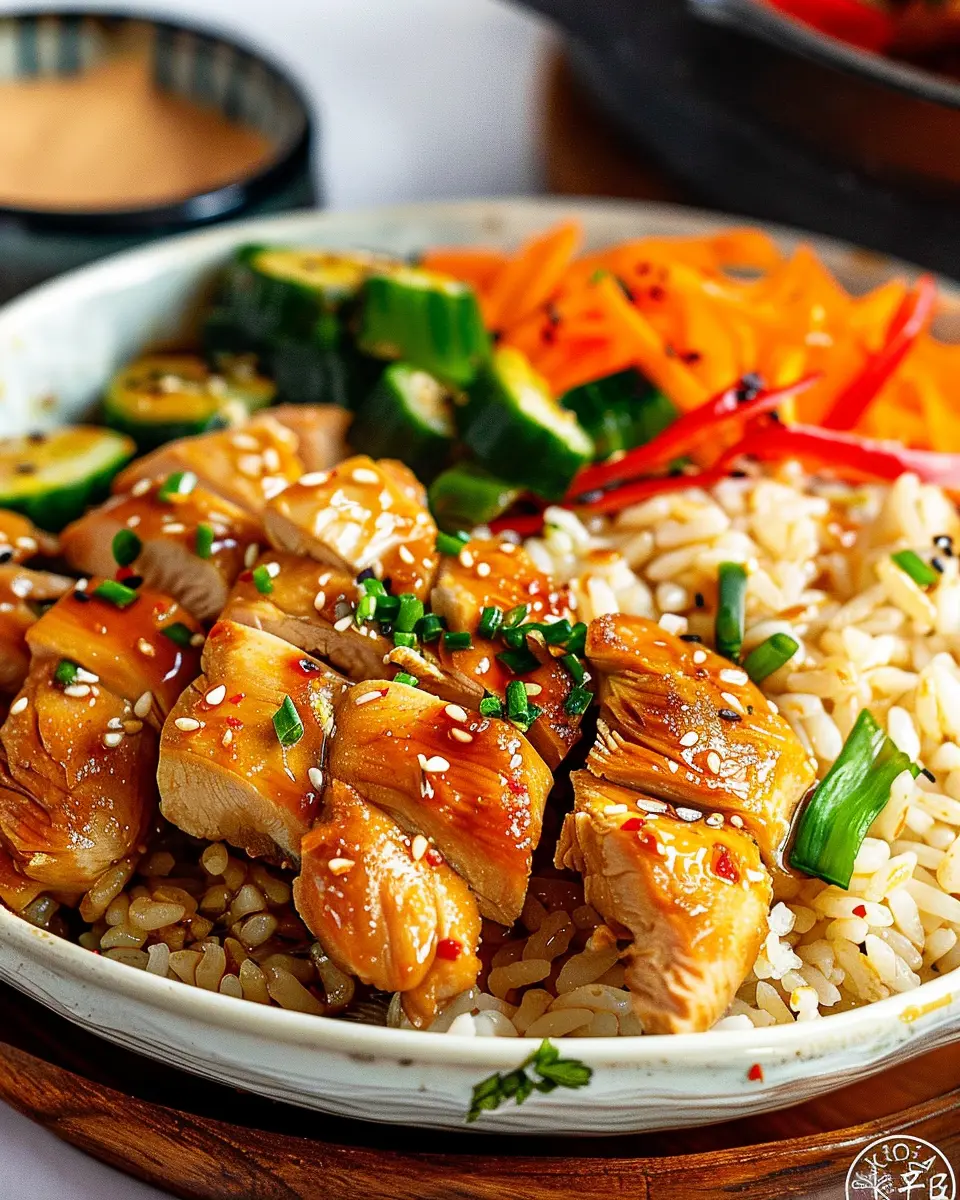
- Layer Up: Start with a scoop of fried rice, add hibachi chicken on top, and finish with a side of stir-fried vegetables.
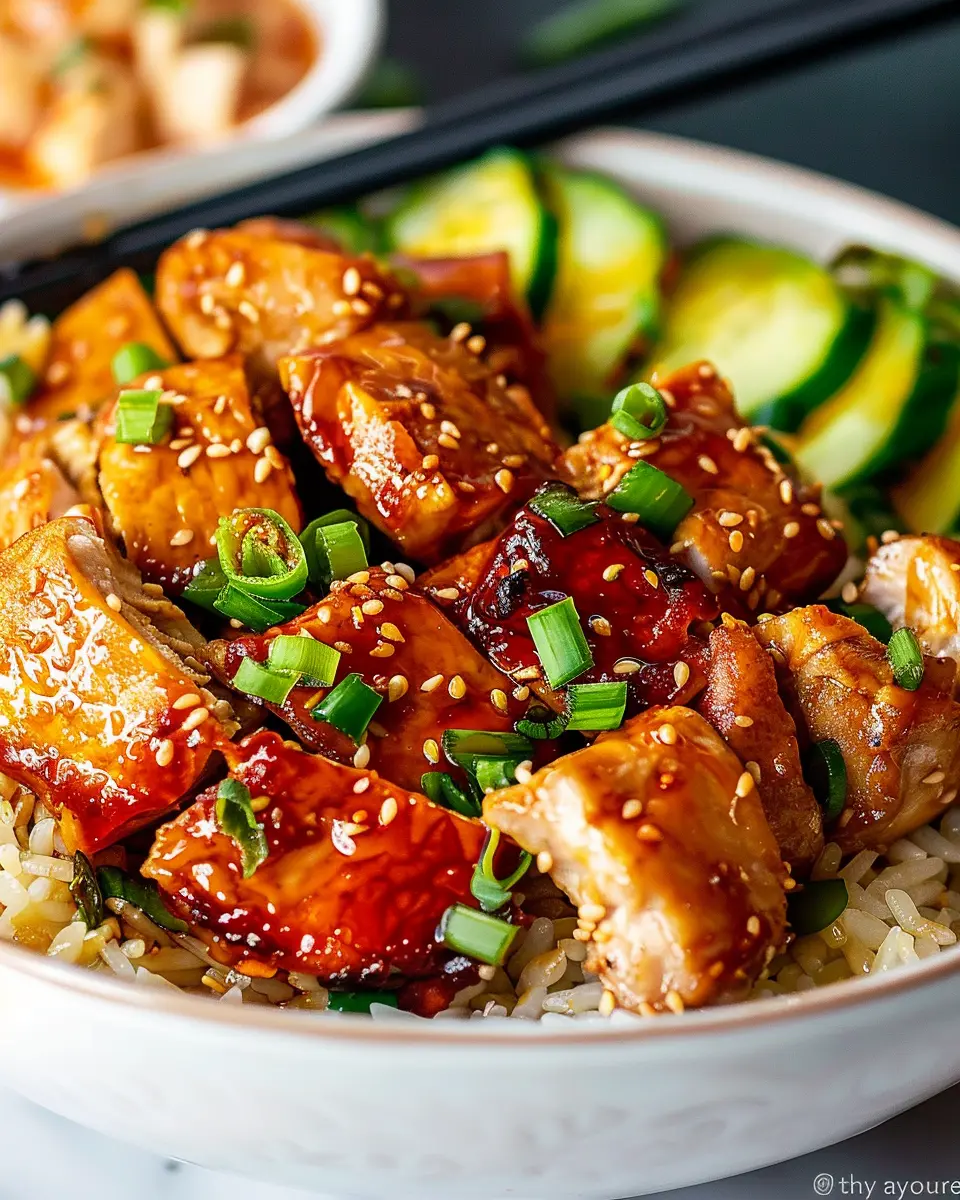
- Garnish: Sprinkle green onions and sesame seeds for that professional touch.
- Serve with Style: Consider serving on bamboo plates or colorful bowls to enhance the dining experience.
By now, your home should be filled with tantalizing aromas, and you’re ready to impress your friends or simply enjoy a fantastic meal at home! Why not pair your hibachi chicken with a refreshing cucumber salad or miso soup?
Making hibachi chicken is not just about cooking; it’s also about the joy of coming together around a shared meal. Enjoy every bite!
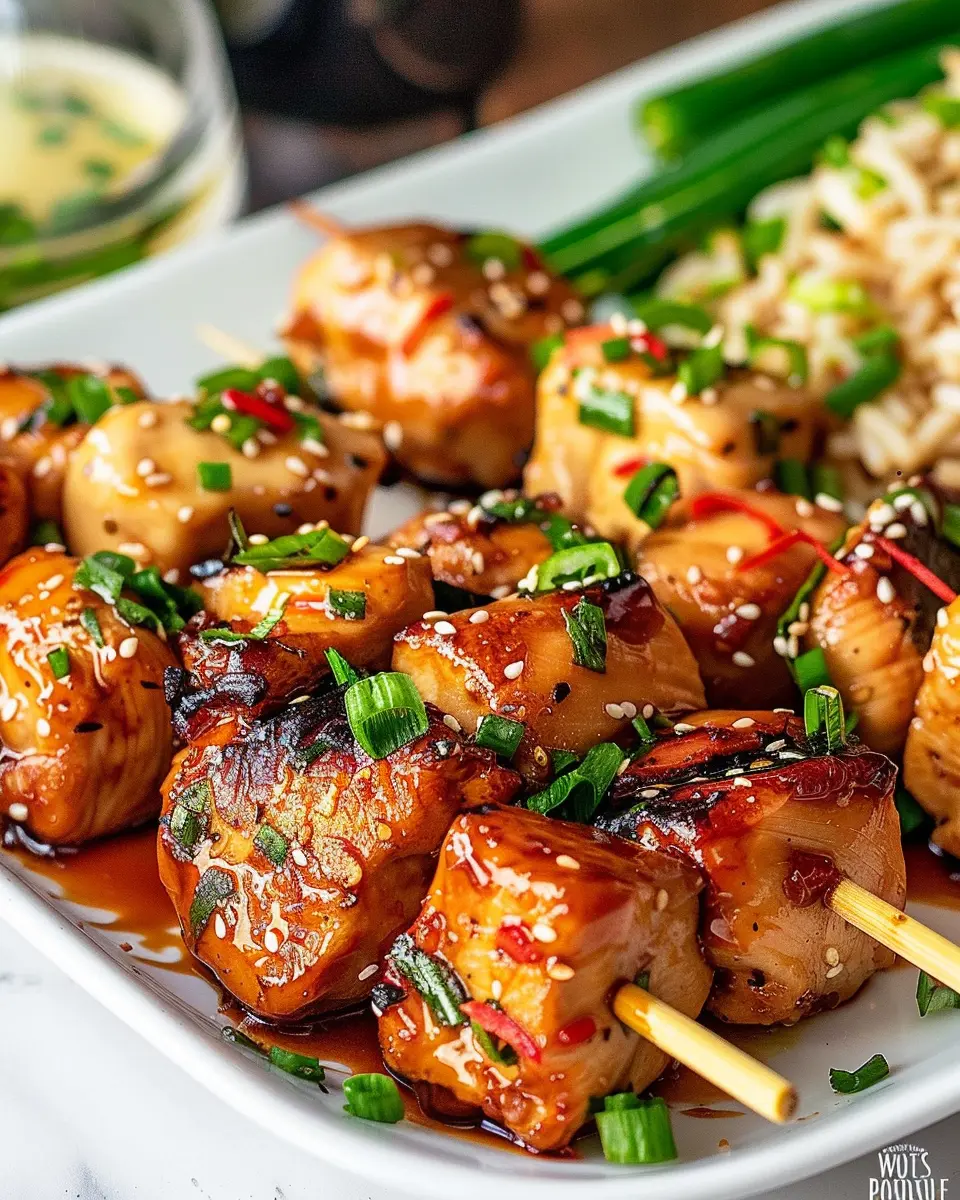
Variations on Hibachi Chicken
When it comes to hibachi chicken, the beauty lies in its versatility. Whether you’re looking for a classic twist or a healthier spin, here are three delicious variations to try!
Hibachi Chicken with Teriyaki Sauce
For those who adore a sweet and savory profile, hibachi chicken with teriyaki sauce is a must-try. The umami-rich teriyaki pairs beautifully with tender chicken, creating a delightful flavor explosion. Simply marinate your chicken in a homemade teriyaki sauce—mix soy sauce, honey, garlic, and ginger—and grill it up for that authentic hibachi taste. Drizzle extra sauce over the vegetables for added flavor! If you’re short on time, consider purchasing a high-quality store-bought teriyaki sauce to simplify the process. You can learn more about teriyaki’s origins and varieties at Serious Eats.
Hibachi Chicken with Cauliflower Rice
Looking for a low-carb option? Hibachi chicken with cauliflower rice is your answer! This nutrient-packed alternative gives you all the flavor without the carbs. To make cauliflower rice, pulse fresh cauliflower florets in a food processor until it resembles rice and sauté with a splash of sesame oil for an added punch. Combine it with your grilled hibachi chicken and veggies for a fun, guilt-free meal. For additional tips on cauliflower rice recipes, check out EatingWell.
Hibachi Chicken with Seasonal Vegetables
Take advantage of seasonal produce by making hibachi chicken with seasonal vegetables. This version allows you to customize your dish based on what’s fresh and available. Think zucchini, bell peppers, and mushrooms grilled until crisp. Toss them with your hibachi chicken and a dash of soy sauce for a colorful, vibrant meal that’s as nutritious as it is delicious. Seasonal veggies not only add flavor but also provide a hearty dose of vitamins!
No matter which variation you choose, these spins on hibachi chicken can elevate a weeknight dinner into something special. Why not try them out and mix and match until you find your perfect combination?
Cooking Tips and Notes for Hibachi Chicken
Tips for Perfectly Cooked Chicken
To achieve juicy and flavorful hibachi chicken, start by marinating your chicken in a mix of soy sauce, garlic, and ginger for at least 30 minutes. This not only enhances flavor but also helps tenderize the meat. When cooking, cut your chicken into uniform pieces—this ensures consistent cooking. Use a hot grill or pan, and remember: less is more! Avoid overcrowding your cooking surface to maintain high heat, allowing for a delicious caramelization.
Notes on Rice Cooking Techniques
For the perfect side of rice, consider using long-grain varieties like jasmine or basmati, which pair beautifully with hibachi chicken. Rinse your rice until the water runs clear to remove excess starch for fluffier results. A common ratio is 1 part rice to 1.5 parts water; consider adding a pinch of salt or broth for extra flavor.
Best Practices for Stir-Frying Vegetables
Stir-frying gives your veggies that lovely crisp-tender quality. Use high smoke-point oils such as canola or avocado oil. Prep your vegetables by cutting them into even pieces to ensure they cook uniformly. Keep your cooking surface hot, and stir continuously for maximum flavor and texture. And always remember: vibrant colors in your vegetable selection equal a beautiful plate!
For more on enhancing your cooking methods, check out resources like Serious Eats and America’s Test Kitchen for expert tips. Happy cooking!
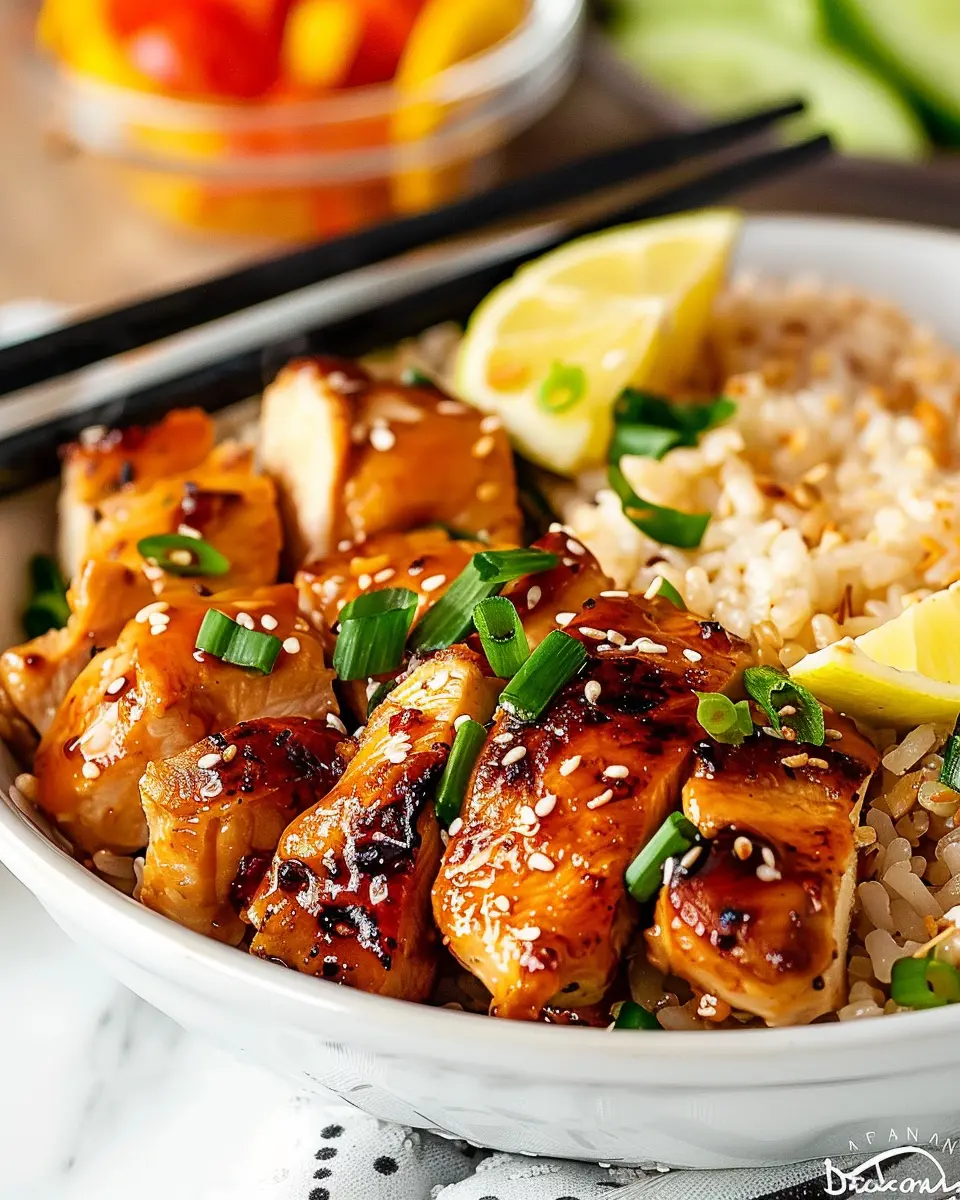
Serving Suggestions for Hibachi Chicken
Pairing Ideas for a Full Meal
To create a well-rounded meal with your hibachi chicken, consider pairing it with traditional sides like steamed rice or fried rice. The subtle flavors of the rice beautifully complement the savory notes of the chicken. For some color and nutrition, add grilled vegetables such as zucchini, bell peppers, and broccoli. Don’t forget to sprinkle sesame seeds on top for that extra crunch!
Looking for beverages to enhance the experience? Try serving the dish alongside refreshing iced tea or homemade lemonade. These drinks balance the dish’s flavors, making every bite even more enjoyable. Need inspiration? You can explore pairing ideas on websites like Serious Eats for creative options.
Creative Serving Options
While hibachi chicken is fantastic on its own, presentation can elevate your meal. Consider serving it on a wooden platter or sizzling skillet for an authentic feel. You can also create a delightful buffet-style meal by placing the chicken in a warm dish and letting guests customize their plates with various toppings and sides.
For a unique twist, why not turn your hibachi chicken into a wrap? Use a soft tortilla, add some fresh veggies, and drizzle with teriyaki sauce. It’s a fun way to enjoy this delicious dish on-the-go!
Time Breakdown for Hibachi Chicken
Preparation Time
Getting started on your hibachi chicken is a breeze! You’ll want to set aside about 10-15 minutes for preparation. This includes gathering all your ingredients, chopping vegetables, and marinating your chicken. Pro tip: if you’re short on time, pre-cut veggies can save you some precious minutes!
Cooking Time
Once you’re prepped, the actual cooking won’t take long—around 15-20 minutes. Hibachi cooking is fast! The key is to use high heat in a well-oiled skillet or griddle. This quick cooking method retains the flavor while ensuring a juicy finish.
Total Time
In total, you’re looking at about 30-35 minutes from start to finish for your hibachi chicken feast. Whether it’s for a weeknight dinner or a weekend gathering, this dish ensures you spend less time in the kitchen and more time enjoying with friends.
Want to learn more about the benefits of quick meals? Check out this article on healthy meal prepping for some great tips!
Nutritional Facts for Hibachi Chicken
When enjoying a delicious serving of hibachi chicken, it’s helpful to know what makes this dish appealing not just for the palate but also for your nutritional needs.
Calories
A typical serving of hibachi chicken contains around 350 calories. This makes it a balanced option for those who are mindful of their caloric intake but still want a satisfying meal.
Protein
One of the standout features of hibachi chicken is its protein content. With approximately 30 grams of protein per serving, it’s an excellent choice for those looking to support muscle growth or simply maintain a balanced diet. Protein is vital for repairing tissues and keeping you feeling full longer.
Carbohydrates
In terms of carbohydrates, hibachi chicken usually contains about 5-10 grams, especially if served with grilled vegetables or rice. This low carbohydrate count makes it a good option if you’re following a low-carb diet, allowing you to enjoy a flavorful meal without compromising your dietary goals.
For more detailed nutritional profiles, check out reputable sources such as the USDA FoodData Central or Healthline. They offer a wealth of information that can help you make informed decisions about your meals.
Overall, hibachi chicken is not only delicious but also a powerhouse of nutrients that can fit well into a healthy lifestyle. What’s your favorite way to enjoy hibachi chicken?
FAQs about Hibachi Chicken
Can I use different proteins for Hibachi?
Absolutely! While hibachi chicken is a favorite, you can easily experiment with other proteins. Chicken is just one option; consider using shrimp, beef, or tofu for a delicious twist. Each protein has its unique flavor and texture, allowing you to cater to your preferences. For a vegetarian option, tofu can be marinated and grilled just like chicken, providing a delightful alternative.
How do I make my fried rice less sticky?
Sticky fried rice can be a bummer when you’re trying to create that perfect hibachi experience. To combat stickiness, try these tips:
- Use day-old rice: Freshly cooked rice tends to stick. Refrigerating it overnight helps it dry out.
- Don’t overcrowd the pan: Cooking in batches allows for better aeration and reduces moisture.
- Add oil: A touch of sesame or vegetable oil keeps grains separated during cooking.
These simple tricks will help you achieve that ideal fried rice texture, ensuring it complements your hibachi chicken perfectly.
What are some good side dishes for Hibachi Chicken?
Pairing hibachi chicken with the right sides can elevate your meal. Here are a few popular options:
- Grilled vegetables: Think zucchini, mushrooms, and bell peppers—high in vitamins and delicious!
- Miso soup: A warm, comforting addition that enhances the umami factor.
- Seaweed salad: Light and refreshing, it’s a great palate cleanser.
For more pairing ideas, check out this guide to discover endless possibilities that will impress your guests. Enjoy your cooking adventure!
Conclusion on Hibachi Chicken
Bringing the Hibachi Experience Home
Embracing the flavors of hibachi chicken can transform your cooking routine and elevate your dinner parties. Picture this: sizzling marinated chicken, vibrant veggies, and that enticing aroma wafting through your kitchen. By recreating this experience at home, you not only introduce a delightful dish to your guests but also enjoy a fun cooking session.
Don’t hesitate to experiment with your own twist on the recipe. Perhaps adding your favorite herbs or trying turkey bacon for a unique touch. Whether you choose to replicate traditional hibachi techniques or go for a quick weeknight meal, the possibilities are endless. For more insights on Japanese cooking techniques, check out this thorough guide on Japanese Culinary Arts. So, roll up your sleeves and get ready to enjoy a delicious hibachi night at home!
PrintHibachi Chicken: Easy Recipe for Juicy Homemade Delight
Discover the secret to making succulent Hibachi Chicken at home with this easy recipe that promises flavor and juiciness.
- Prep Time: 10 minutes
- Cook Time: 15 minutes
- Total Time: 25 minutes
- Yield: 4 servings
- Category: Main Course
- Method: Stovetop
- Cuisine: Japanese
- Diet: Paleo
Ingredients
- 1 pound chicken breast
- 2 tablespoons soy sauce
- 1 tablespoon sesame oil
- 2 cloves garlic, minced
- 1 teaspoon ginger, grated
- 1 tablespoon olive oil
- 1/2 teaspoon black pepper
- 1/4 teaspoon salt
- 2 green onions, chopped
Instructions
- In a bowl, combine soy sauce, sesame oil, garlic, ginger, black pepper, and salt to marinate the chicken for at least 30 minutes.
- Heat olive oil in a skillet over medium-high heat.
- Add the marinated chicken to the skillet and cook until browned and cooked through, about 5-7 minutes.
- Stir in the chopped green onions and cook for an additional minute.
- Serve hot and enjoy your homemade Hibachi Chicken!
Notes
- For added flavor, let the chicken marinate overnight.
- Serve with steamed rice and vegetables for a complete meal.
Nutrition
- Serving Size: 1 serving
- Calories: 250
- Sugar: 1g
- Sodium: 500mg
- Fat: 10g
- Saturated Fat: 1.5g
- Unsaturated Fat: 8g
- Trans Fat: 0g
- Carbohydrates: 4g
- Fiber: 0g
- Protein: 34g
- Cholesterol: 75mg